Afraid to Be Seen? How Invisibility Can Become a Financial Ceiling
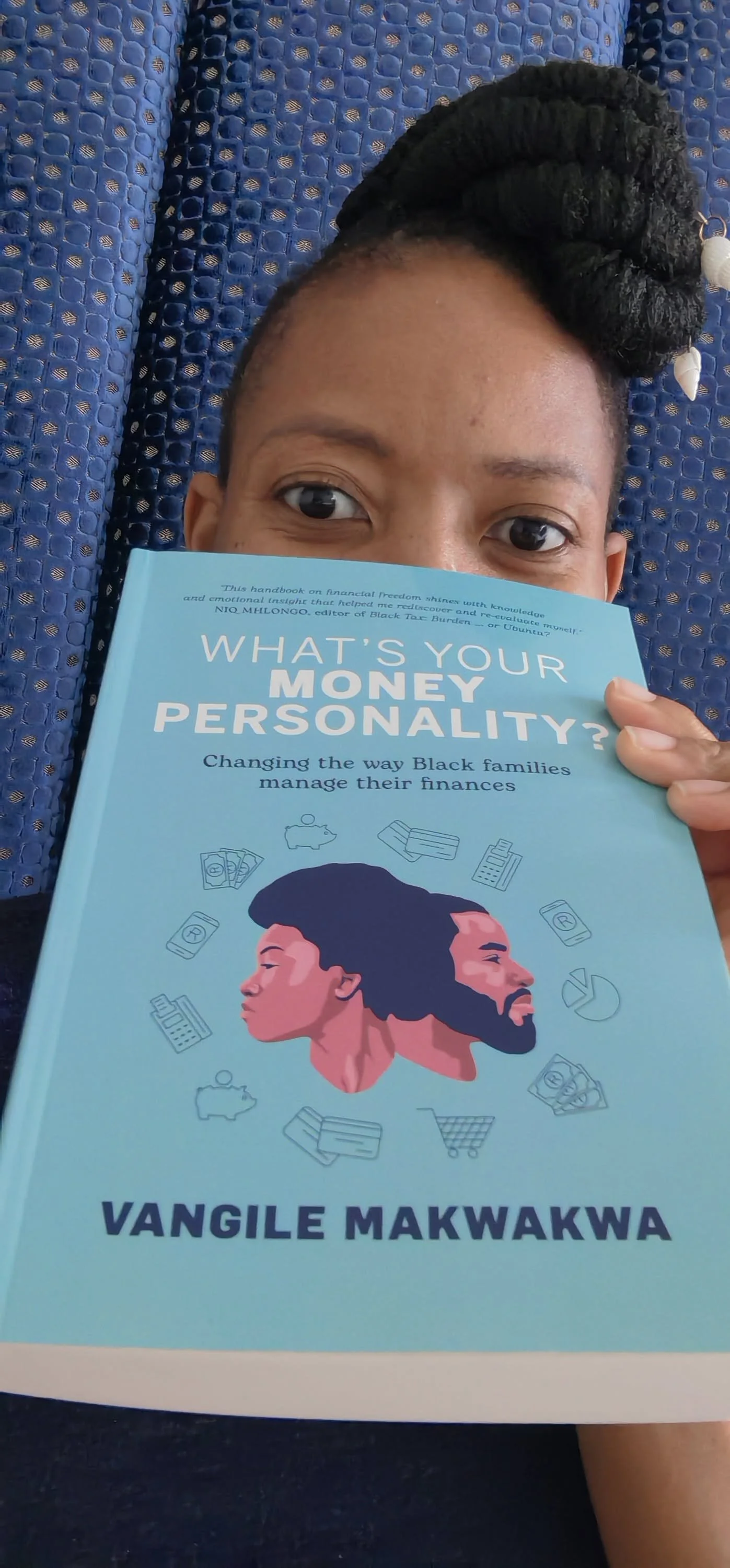
When I started Wealthy Money, I stumbled directly into one of my deepest fears: being visible enough for people to judge me for telling the truth as I experienced it.
And, as it turns out, visibility and money are much more connected than I’d realised.
I've always been a bit of an oddball.
At school, while other children were eating whatever was in their lunchboxes, mine was filled with fruit and healthy food.
At university, I had orange hair and worked as a waitress and nude model for artists to opay for my varsity fees.
Looking back, I can see that I was constantly experimenting with what it meant to be visible but underneath all of that experimentation was something more complicated.
I wanted to be seen and I wanted to be safe.
Those two desires don't always coexist easily.
I grew up in a family of sangomas, and I am not Christian. When I began speaking publicly about my experiences and the work I was doing, particularly around ancestral work, money and spirituality, I discovered just how uncomfortable some people were with my perspective.
People questioned me.
People prayed for my salvation.
Some people thought I was dabbling in the Dark Arts.
The criticism came from places I hadn't necessarily expected it to come from.
And it activated something very old in me.
I remembered what it felt like to be the strange child.
The child who didn't quite fit.
The child who could be bullied for being different.
Suddenly, being visible didn't feel exciting anymore, it felt dangerous.
I had found my voice and then I became afraid to use it
When I started Wealthy Money, I was talking about things that weren't necessarily considered safe or conventional.
I talked about ancestral work.
I talked about the spirit of money.
I talked about Black Tax.
I talked about the emotional and spiritual dimensions of our relationship with money and I told the truth as I understood it.
But then came the backlash.
And I wasn't prepared for what it would do to my body.
I would feel physically unsafe.
I became hyperaware of criticism.
I started anticipating what people might say.
And slowly, almost imperceptibly, I began to withdraw.
I stopped teaching as publicly as I had before and became more cautious about what I said.
I edited myself in an effort to make myself safer.
And then something very interesting happened - my business stopped growing.
My income plateaued.
My community stopped expanding in the way it had been and I was stuck.
At first, I thought I needed a better business strategy but eventually I had to confront a much more uncomfortable truth: People can't buy from you if they don't know about you.
I could have the most brilliant programme in the world.
I could have something genuinely transformative to offer but if I was hiding, people couldn't find me.
If I wasn't willing to talk about my work, people couldn't understand it.
If I was afraid to take up space, I couldn't expect my business to expand into that space.
My financial ceiling was, in part, a visibility ceiling.
The vow of invisibility
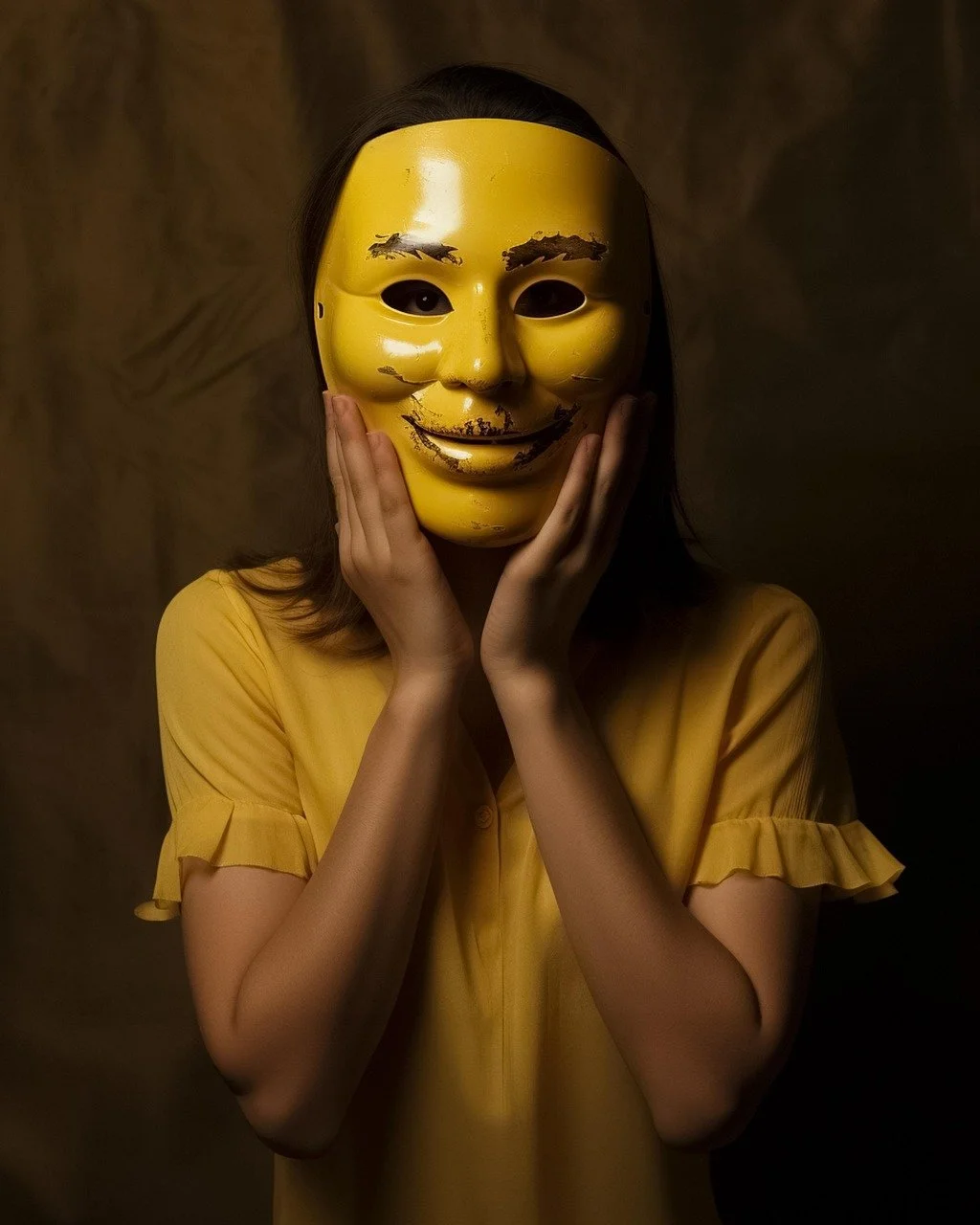
This is what I now think of as the vow of invisibility.
A vow doesn't necessarily have to be something we consciously say, sometimes it is an unconscious decision our younger selves make.
If being seen gets me hurt, I won't be seen.
If telling the truth makes people reject me, I'll keep quiet.
If standing out makes me a target, I'll make myself smaller.
If visibility isn't safe, I'll disappear.
The problem is that a strategy that protected us in one environment can become a prison in another.
The child who learned to hide may eventually become an adult who doesn't ask for the promotion.
Who doesn't speak in the meeting.
Who doesn't tell people about their accomplishments.
Who doesn't negotiate their salary.
Who doesn't take credit for their ideas.
Who keeps their business small.
Who avoids being the face of their own brand.
Who waits to be discovered instead of making themselves discoverable.
And then we wonder why we're not expanding.
I had to choose between safety and visibility
For me, healing the vow of invisibility meant confronting a very uncomfortable choice.
I could continue prioritising my sense of safety by hiding.
Or I could learn a different definition of safety; one that allowed me to be visible without being completely overwhelmed by other people's opinions.
I didn't need to convince everyone to like me.
I didn't need to eliminate criticism.
I needed to teach my body that criticism wasn't the same thing as danger.
I worked with coaches to process what I understood as past-life, ancestral, childhood and teenage trauma.
I began looking at the younger versions of myself who had learned that being different could make me unsafe.
I started separating those old experiences from the woman I was becoming and slowly, I began to reclaim visibility.
Then I met someone who reminded me what was possible
One of the people who influenced this part of my journey was Teencoach Nomveliso Mbanga.
She started talking to my work in the Money Magic course and was willing to share her experiences publicly.
She didn't hide. She talked about what she was learning. She allowed herself to be visible.
And watching her helped me see something:
Visibility doesn't have to mean abandoning yourself.
You can be visible and still have boundaries.
You can tell the truth and still take care of yourself.
You can allow people to disagree with you without making their disagreement mean that you are unsafe.
That distinction changed something for me.
The transformation wasn't just personal. It was financial.
Years later, I can see the connection much more clearly.
As I healed my relationship with visibility, my business changed.
My brand grew and my business flourished.
My community expanded and the company's revenue increased.
I don't want to turn that into a simplistic formula of heal your trauma and you will automatically make more money.
That's not what I'm saying.
Business still requires strategy.
Offers still need to be relevant.
People still need reasons to buy.
You still have to do the work.
But I had to become capable of doing the work in public.
I had to allow people to know that I existed.
I had to allow myself to be associated with the ideas I was teaching.
I had to become willing to be misunderstood.
I had to become willing to have people disagree with me.
I had to become willing to say:
This is what I believe. This is what I have learned. This is what I am here to teach.
And that required a different relationship with fear.