
Financial Trauma & Why You Fear Running Out of Money Even When You Have Enough
There’s a particular kind of fear that can exist even when there is money in the bank.
It is the fear that the money will disappear.
You can look at your bank account and see that you are okay. You can be earning more than you have ever earned. You can have assets, investments, businesses or multiple sources of income.
And still, somewhere inside you, there is a voice saying:
What if it all runs out?
I know this fear intimately.
For a long time, I thought that if I could just make enough money, I would finally feel safe. I thought financial security was primarily a numbers problem. Earn more. Save more. Invest more. Pay off debt. Build multiple income streams.
But then something happened that forced me to question everything I thought I knew about money.
I received approximately $30,000 in one lump sum.
On paper, this was good news.
It was evidence that I was moving forward financially. It was more money than I had been used to having available at once.
And yet, instead of feeling happu and free, I became anxious and terrified of losing it.
I worried that I would spend it wrecklessly, make the wrong decisio and that I would never have that amount of money again.
The truth is that the money hadn't created the fear, it had revealed it.
We learn how to survive. But do we learn how to expand?
I think many of us are taught how to survive financially.
We learn to stretch money.
We learn to make do.
We learn to spend less.
We learn to save.
We learn to avoid debt.
We learn what happens when there isn't enough.
But very few of us are taught what to do emotionally when there is enough.
What happens when your income suddenly increases?
What happens when you receive a large amount of money?
What happens when you become the person in your family who has more?
What happens when people start asking you for money?
What happens when you realise that you no longer have to live in the financial circumstances you grew up in?
These questions matter because more money doesn't immediately make us feel more secure.
Sometimes more money exposes the places where we don't feel safe.
Our bank balance changes, but our nervous system doesn't get the memo, so you can have more money while still carrying the emotional memory of having less.
Our money behaviour can be a trauma response
In my work, I use the familiar trauma responses of fight, flight, freeze and fawn to understand some of the ways we behave around money.
I also talk about another response that I call force which is the need to control circumstances and other people because control feels like safety.
These responses can show up in our financial lives in surprisingly different ways in oour money profiles.
The Fixer money profile
The Fixer sees a financial problem and immediately wants to solve it.
They start a business.
They become the breadwinner.
They create another income stream.
They research investments.
They try to get everybody in the family financially stable.
There is something beautiful about the Fixer because they are incredibily resourceful and see possibilities where other people see limitations.
But the shadow side is that they can become exhausted by feeling responsible for everyone and they can try to control how other people spend, earn or manage their money.
And sometimes the very financial security they are trying to create becomes a source of conflict and stress.
Then there is the Destroyer Money Profile.
The Destroyer responds to financial pain through fight.
This can look like anger, frustration, rebellion, isolation or even creating financial chaos.
Destroyers are the people in a family who expose what everyone else would rather avoid.
They become the "black sheep."
They say the thing nobody wants to say.
They refuse to play along.
Their financial struggles can be an expression of much deeper wounds around rejection, belonging and feeling unsupported and when you feel like nobody understands you, it can become easier to withdraw completely.
The loneliness can be profound.
Then there is the Runaway Money Profile
This one is particularly personal for me because I recognise myself in it.
The Runaway responds through flight.
When something feels uncomfortable, we move.
We travel.
We stay busy.
We socialise.
We distract ourselves.
We find something else to focus on.
For me, travel was sometimes a way of escaping financial anxiety.
But there was an important distinction in the way I travelled when I became debt free - I deliberately avoided using debt to fund it.
That meant that, eventually, I had to confront what I was actually feeling.
I couldn't simply borrow my way out of the discomfort.
And that taught me that healing isn't about finding a better distraction, it means becoming willing to stay in your body, feel your emotions, breathe through the discomfort and look at your bank account without immediately trying to change what you see.
Healing means allowing yourself to experience an emotion without believing that the emotion means something terrible is about to happen.
For a Runaway, that can be a life changing practice.
The Sweet One Money Profile
The other money profile is the Sweet One, who is the person who struggles to say no.
They want everyone to be okay, don't want to disappoint their family and don't want people to think they are selfish.
They feel a responsibility to help family and friends financially, even when doing so puts their own financial stability at risk.
And this is where money and relationships become deeply intertwined.
Because the fear isn't actually:
"What if I run out of money?"
It is:
"What if I say no and they stop loving me?"
"What if they think I've changed?"
"What if I become successful and my family needs me?"
"What if I have enough but someone I love doesn't?"
The Sweet One can become a breadwinner, but there is an important difference between the Sweet One and the Fixer.
The Fixer consciously chooses the responsibility because they believe it is part of creating a better future, whilst the Sweet One takes on the responsibility because saying no feels emotionally unsafe.
And when there are no boundaries, financial generosity eventually become financial self-abandonment.
Then there is the Eternal Child Money Profile
This archetype has challenged me because it reminds us that financial adulthood isn't necessarily reflected by intelligence, career success or income.
You can be highly educated.
You can have an impressive job.
You can look successful from the outside.
And still struggle to take responsibility for your money.
The Eternal Child continues to rely on parents or relatives to pay for rent, food, bills or emergencies.
And when money comes in, it may disappear into pleasure and entertainment rather than being used to create stability.
The difficult part is that you cannot heal this pattern without accountability.
At some point, you have to be willing to say: I am an adult. My financial life is my responsibility.
That doesn't mean you stop receiving support, it means you stop outsourcing your adulthood.
None of us are just our money personality
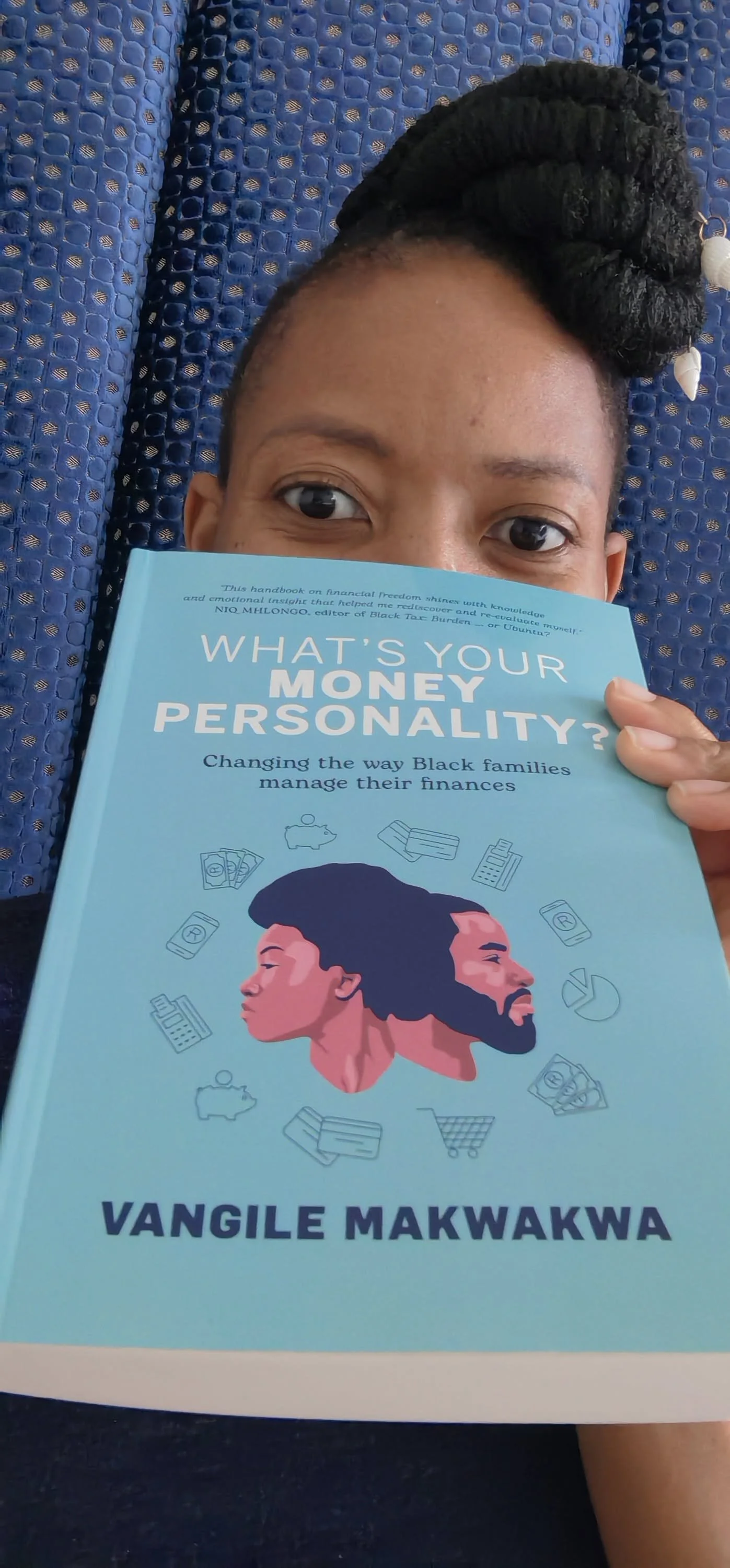
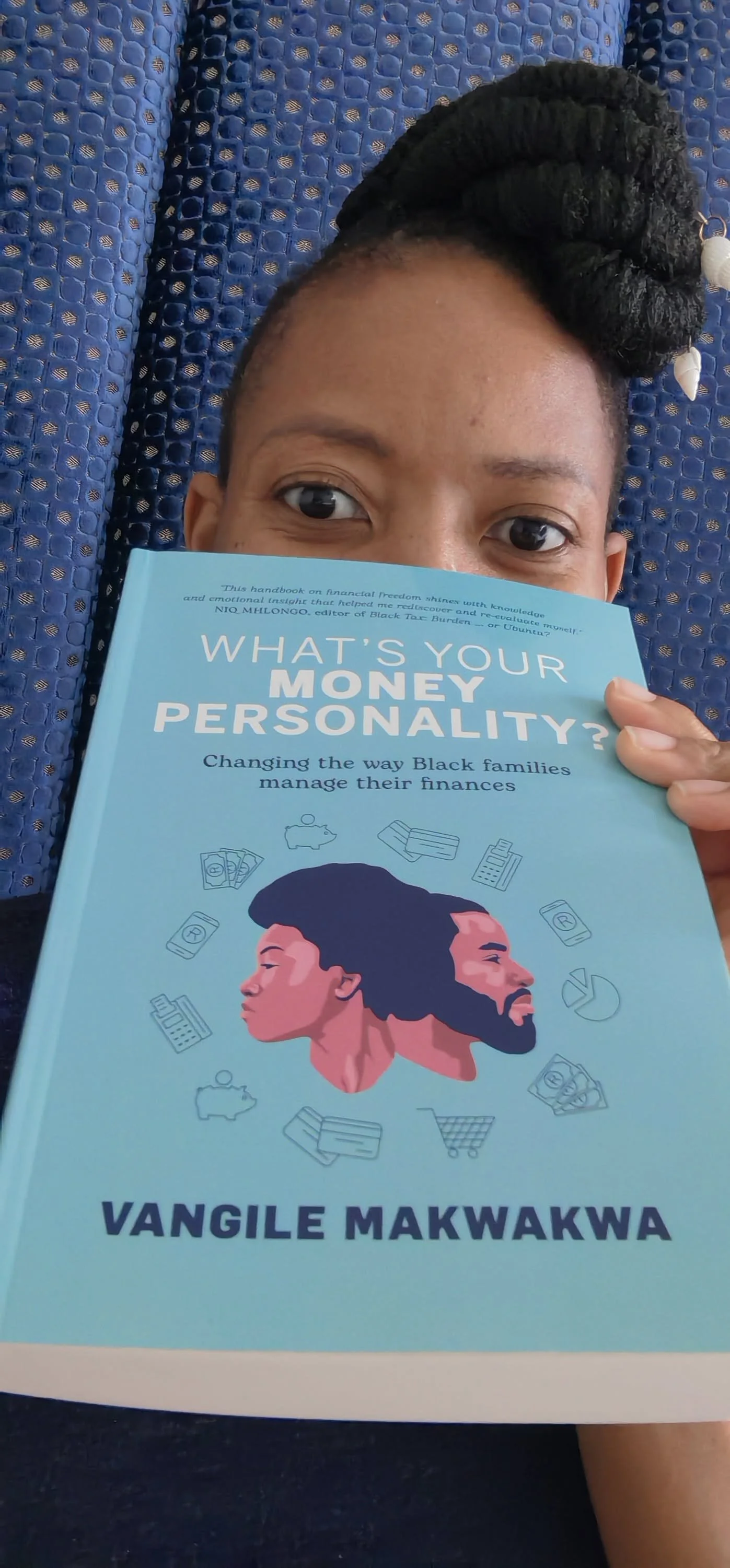
One of the things I wanted to make clear in What's Your Money Personality? is that none of these archetypes is inherently "bad."
Every pattern has a gift.
The Fixer can help a family move forward.
The Sweet One can preserve connection.
The Destroyer can expose what is broken.
The Runaway can create distance from overwhelming circumstances and, when conscious, can help people move through them and reinvent themselves.
Even the Eternal Child can carry qualities like playfulness, creativity and an ability to receive.
The problem isn't the archetype, the problem is when we are unconscious of the role we are playing.
When a trauma response becomes our identity, we can end up repeating the same behaviour long after the original danger has passed.
And this is where healing financial trauma becomes important, because we can’t budget ourselves out of a trauma response.
Sometimes we need to understand why we behave the way we do.
What does generational wealth actually mean?
Writing my book also made me think differently about the phrase generational wealth.
We often define wealth through tangible things like property, businesses, nvestments, cash, shares and land.
And yes, these things matter.
But what happens if you give a family financial wealth without giving them the emotional capacity to hold it?
What happens if one generation builds significant assets but the family is still deeply divided?
What happens if nobody knows how to communicate about money?
What happens if everyone is operating from fear, resentment, obligation or shame?
Money can be transferred from one generation to another but so can trauma and so can wisdom.
This is why I believe that true generational wealth has to include more than financial assets, it has to include emotional stability, healthy relationships, inancial knowledge and shared wisdom.